Calisthine: Elegant Script for Creative Projects
There I was, staring at a blank brand board, trying to find the right visual voice for a new boutique café. The client wanted something warm, inviting, and a little bit whimsical. I reached for my usual go-to fonts, but they felt too rigid, too predictable. That’s when I stumbled upon Calisthine—a beautiful and elegant script font that instantly brought a sense of movement and personality to the design.
A Font with Personality
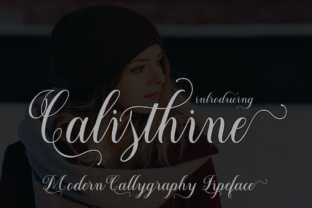
Calisthine is a script handwritten typeface that feels like it was written by hand, with subtle flourishes and natural flow. It has a soft, flowing character that makes it ideal for special event designs, logos, and display work. What sets Calisthine apart is its stylistic alternates, which allow for unique variations in each letter, making it perfect for headlines or decorative text where individuality matters.
The font has a delicate yet confident presence. It’s not overly ornate, but it carries an air of sophistication that works well in both modern and traditional settings. Its curves are smooth, and the weight balances between light and bold, giving it versatility across different applications.
Testing Calisthine in Real-World Design
I tested Calisthine on a logo draft, and it immediately caught the eye. The fluidity of the letters gave the brand a personal touch, as if the logo had been hand-drawn rather than digitally generated. When paired with a sans serif for the tagline, it created a nice contrast—clean and modern, yet still warm and approachable.
On a packaging mockup for a skincare product line, Calisthine added a touch of elegance without overwhelming the design. The font worked best on short phrases, such as product names or taglines, where its style could shine. It also looked great on a business card, where the script added a refined, artisanal feel.
In a social media layout, Calisthine stood out as a strong headline font. It drew attention without being distracting, and its stylistic alternates allowed for small tweaks that made each post feel unique. On a website header, it provided a sense of visual interest, especially when used sparingly.
When Calisthine Works Best
Calisthine excels as a display font, particularly for headlines, logos, and short phrases. It’s not meant for long body text, as its cursive nature can reduce readability at smaller sizes. For branding projects, it’s best used as an accent or supporting typeface, complementing more legible fonts in the design system.
It’s especially effective in creative industries such as handmade shops, boutique cafes, or artisanal brands where a personal, human touch is important. However, it may not be the best choice for formal corporate branding, where clarity and professionalism take precedence over aesthetics.
When working with Calisthine, it’s important to test it at different sizes and in various contexts. What looks great on a large banner might not translate well to a small label. Always review how it performs in print versus digital formats, and consider how it interacts with other elements in the design.
Pairing Calisthine with Other Fonts
One of the strengths of Calisthine is its ability to pair well with other fonts. A classic serif font like Georgia or Playfair Display can balance its fluidity with structure. A clean sans serif like Lato or Montserrat provides a modern contrast, while another script font can add depth to a layered typographic hierarchy.
For editorial design, Calisthine can serve as a highlight font, drawing attention to key sections without disrupting the flow of text. In web design, it’s best used for headings or buttons, where its visual appeal can enhance the user experience without compromising readability.
Practical Considerations
Before using Calisthine in client work, it’s essential to check the licensing terms. Make sure you have the proper rights for commercial use, especially if the font will be part of a brand identity, packaging, or digital product. Some fonts come with restrictions on embedding or resale, so always verify the license details.
Calisthine likely includes multiple weights and stylistic alternates, which can be useful for creating variation in your designs. If it supports multilingual characters, that’s a bonus for international branding. Also, check if it’s available as a webfont, as this affects how it can be used in digital projects.
Overall, Calisthine is a versatile and appealing script font that adds a touch of elegance to any design. Whether you’re working on a logo, packaging, or social media graphic, it offers a unique and stylish option for creatives looking to elevate their visual language.