Orhydea: A Handcrafted Script Font for Makers and Creatives
I remember the exact moment I first opened Orhydea on my laptop. I was mid-way through designing a set of soy candle labels for my small batch shop, and nothing I had tried felt right. The usual clean sans serifs looked too cold. The basic scripts felt stiff. Then I dropped a single word into the type preview with Orhydea, and everything clicked. That first test read “Lavender & Oak,” and the way the swirled loops and graceful tails wrapped around each other made the name feel like it had been written with a fine dip pen by hand. I knew right then that this was the font I had been searching for.
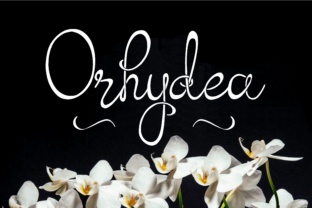
Orhydea is a beautifully handmade script font with a personality that blends vintage charm with a playful, decorative spirit. It is not trying to be a quiet, invisible typeface. It wants to be the star of your product labels, your greeting cards, your wedding invitations, your packaging, and your shop signs. If you are a crafter, a handmade seller, a printable creator, or someone who loves adding a hand-lettered touch to physical products, Orhydea is a tool that can elevate your work from simple to memorable.
The First Test: Candle Labels and Product Tags
I started with candle labels because that is where my shop needed the most help. I use small 2x3 inch adhesive kraft paper labels for my jar lids, and fitting a decorative script font into that tiny space without losing legibility is always a challenge. With Orhydea, I found that it works beautifully for short phrases — one to three words at most. “Farmhouse Candle,” “Fresh Linen,” “Vanilla + Clove” — each one came out readable, elegant, and full of movement.
The key with any script font on small labels is testing your sizing before you print. I recommend setting your text at a minimum of 18 to 22 points for a two-inch wide label, depending on your design software and cutting machine settings. I use a standard die cutter for my stickers and a Cricut Maker for kiss-cut labels. Orhydea holds up well on both, as long as you give each letterform enough breathing room. The swashes and flourishes are generous, so do not be afraid to adjust tracking slightly if a tail looks like it might overlap the next word.
- For candle lids: One to three words at 20–24 pt works best.
- For product tags: A short product name or a single ingredient word stands out beautifully.
- For small stickers: Keep your design to one line of text, and test a print sample before cutting a full sheet.
Beyond Labels: Greeting Cards, Invitations, and Wall Art
After the candle labels, I started experimenting with Orhydea for greeting cards and seasonal invitations. This is where the font really shines. The swirled loops and decorative tails lend themselves perfectly to titles, names, and short heartfelt phrases. I designed a birthday card that simply said “celebrate” in Orhydea across the front, paired with a simple serif font for the inside message. The card felt personal, almost as if I had hand-lettered each copy myself. That emotional connection is exactly what handmade sellers are trying to offer their customers.
For wedding invitations, Orhydea works wonderfully for the couple’s names, the main event title, or a single line like “Please join us.” I tested it on a welcome sign mockup for a rustic barn wedding, and the script gave the design a soft, romantic feel. The font reads best at medium to large sizes — think titles, headings, and display text. For longer body text, such as ceremony details or reception information, I would pair Orhydea with a clean and simple sans serif font. A light, neutral sans like a classic geometric or a gentle humanist style will keep your invitation readable while Orhydea steals the show as the headline.
Printable wall art is another natural fit. A single word like “breathe,” “welcome,” “love,” or “gather” set in Orhydea and placed in a simple frame becomes an instant piece of home decor. I made a small set of farmhouse-style prints for a local market, and the font gave each piece a warm, handmade feel that buyers responded to.
Readability and Cutting Machine Tips
Orhydea is classified as a script handwritten display font, and it performs best when you treat it as a decorative element rather than a workhorse text face. That is not a limitation — it is a strength. For crafters who use Cricut or Silhouette machines, a few practical considerations can make the difference between a frustrating cut and a beautiful finished product.
- Test your material first. If you are cutting vinyl for a mug or tote bag, run a small test phrase before committing to a full design. Orhydea’s thin loops and delicate swashes need a stable material that does not tear easily. For fabric or textured vinyl, I sometimes use a slightly thicker font weight or increase the scale by 10 percent.
- Weld overlapping letters carefully. In design software like Cricut Design Space, you might need to weld connected letters to keep your design clean. Orhydea includes ligatures and alternate characters that help letters flow naturally, so check your character map before you start welding everything together.
- Avoid tiny sizes for intricate cuts. If you are making stickers smaller than an inch wide, consider using a simple sans serif or a bolder script for the main text, and reserve Orhydea for the product name or a decorative accent.
Font Pairing and Design Versatility
One of the reasons I keep coming back to Orhydea is how well it pairs with other typefaces. Because it is a decorative script with a vintage feel, it works beautifully with:
- A clean sans serif font for a modern contrast — think product descriptions, ingredient lists, or event details.
- A simple serif font for a classic, editorial look that feels timeless and elevated.
- A bold display font for a playful, layered design where the script adds a handwritten accent to a strong headline.
For my own shop, I pair Orhydea with a light sans serif for ingredient labels and care instructions. The contrast keeps the packaging feeling professional and cohesive, while the script adds the handmade warmth my customers expect. If you are designing a logo for your shop, Orhydea can serve as the primary brand typeface for your shop name, with a secondary font handling everything else. That creates brand consistency across your labels, packaging, listing images, and social media graphics.
Commercial Licensing and What to Check Before You Sell
Before you start selling products made with Orhydea, take a moment to review the font’s commercial licensing. Every font foundry has its own terms, and as a maker who sells physical goods, digital templates, and printables, you need to know exactly what is covered. Standard commercial licenses typically allow you to use the font on physical products like candles, mugs, shirts, tote bags, and printed cards. If you plan to sell digital templates, editable invitations, or SVG-style designs that include the font outlines, you may need an extended license.
At the time I started using Orhydea, I confirmed that my license covered:
- Physical merchandise for resale (labels, packaging, signs, apparel, home decor).
- Print-on-demand products (provided I did not transfer the font file itself).
- Printable wall art and digital templates (with proper attribution if required).
I also checked that the font file format was compatible with my design software — OTF and TTF formats are standard for both Mac and Windows. Orhydea includes multilingual support, which is helpful if you sell to international customers or use non-English words on your products. And if the font comes with bonus swashes, alternates, or ligatures, be sure to explore them in your character map. Those extra characters are what give your designs a truly handcrafted feel.
From Seasonal Crafts to Everyday Shop Branding
As the seasons change, Orhydea adapts. I used it for fall market tags that said “Pumpkin Spice” and “Apple Harvest,” and it gave the products a cozy, rustic feel. For winter, I designed a set of holiday gift tags with the word “Joy” in Orhydea, paired with a simple evergreen border. The font’s natural curves and flourishes made each tag look like it had been calligraphed by hand, even though I printed them on my home inkjet and cut them with my Cricut.
If you are a printable creator, Orhydea can become a staple in your shop. It works beautifully for planner cover pages, inspirational quote prints, product mockup previews, and social media graphics. I have used it for listing images to show customers how a design will look on a finished product — and the font itself often becomes a selling point. Shoppers are drawn to the handcrafted feel, and when they see that your products are made with a premium font like Orhydea, it signals quality and attention to detail.
For boutiques and small shops, brand identity starts with the small choices. Orhydea is one of those choices that pays off every time you print a label, post a listing photo, or package an order. It gives your brand a consistent visual voice that customers begin to recognize and trust.
Whether you are adding the finishing touch to a wedding invitation, refreshing your product packaging, or designing a new line of seasonal stickers, Orhydea offers the kind of handwritten warmth that makes people stop and take notice. It is a font that feels personal — and for makers and creators, that is exactly what we need.